
Plan your Thanksgiving
Glad you’re here. Whether this is your first bird or your twentieth, let’s get you a plan you can trust: how big a turkey to buy, when to start thawing it, how to brine it, and six good ways to cook it outside. When you’re ready for gear or a second opinion, look for the red vest at Carmel, Geist or Fishers.
Plan Your Bird
How much turkey to buy
Plan on about 1 pound of turkey per person. That covers dinner with a little left over. If you’re buying a frozen, pre-stuffed turkey, plan on about 1¼ pounds per person. Want plenty of leftovers for sandwiches? Bump it up a little.
Give it time to thaw
The fridge is the easy, safe way. Figure about one day for every 4 to 5 pounds. In a hurry? Thaw it in cold water: keep the bird in its wrapper, sink it in cold tap water, change the water every 30 minutes, and allow about 30 minutes per pound. A bird thawed in cold water should be cooked right away. A bird thawed in the fridge can wait in there another day or two before cooking.
| Turkey size | In the fridge | In cold water |
|---|---|---|
| 10 to 12 lb | about 3 days | 5 to 6 hours |
| 12 to 14 lb | 3 to 4 days | 6 to 7 hours |
| 14 to 18 lb | 4 to 5 days | 7 to 9 hours |
| 18 to 20 lb | about 5 days | 9 to 10 hours |
| 20 to 24 lb | 5 to 6 days | 10 to 12 hours |
Times follow the USDA guideline of about 24 hours in the fridge per 4 to 5 pounds and 30 minutes per pound in cold water, rounded up so you’re not caught short.
Quick tip: count backward from Thursday. A 16 lb bird going in the fridge on Saturday or Sunday is right on time.
Before you start
How to Brine a Turkey
Brining is just salt and time. It seasons the meat all the way through and helps it stay juicy. Pick one: wet or dry.
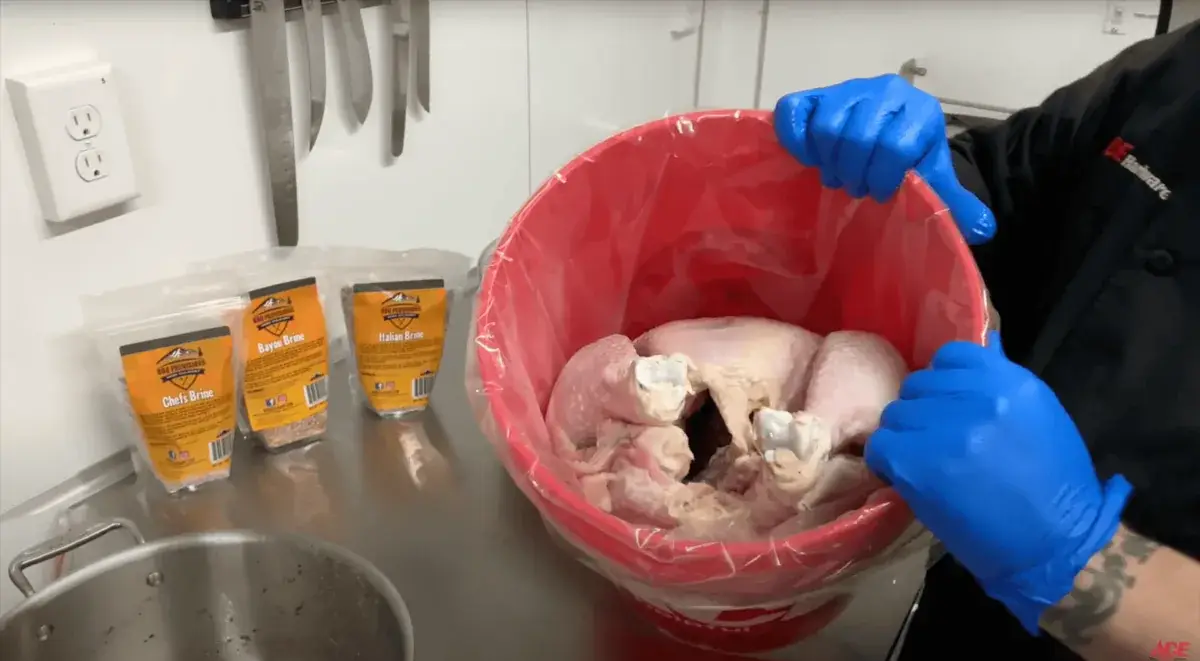
Photo: Ace Hardware
Check the label first
If the label says self-basting, enhanced, pre-brined, marinated, or “contains a solution,” the bird has already been seasoned with a salt solution. Skip the brine. The same goes for kosher turkeys, which are salted as part of how they’re processed. Season these lightly and cook as is.
Wet brine
- Ratio: about ¾ cup of salt per gallon of cold water (that’s 3 tablespoons per quart). Add sugar, herbs, peppercorns or citrus if you like.
- Container: a food-safe brining bag or a clean food-grade bucket. Not a trash bag.
- Keep it cold the whole time: in the fridge, or in a cooler packed with ice that stays at 40°F or below.
- Time: overnight, up to 2 days. A good rule for most birds is about 1 hour per pound.
- When it’s done, pour out the brine, pat the bird dry, and let it sit uncovered in the fridge for a few hours or overnight. Dry skin turns crisp.
Dry brine
- Ratio: about 1 tablespoon of kosher salt for every 5 pounds of turkey.
- Rub it all over, and under the skin of the breast if you can.
- Time: 1 to 2 days in the fridge. Uncovered on a rack gives the crispiest skin. If you use a bag, give it a massage every 8 to 12 hours.
- No rinsing needed. Just pat dry and cook.
Ways to Cook It
A few rules that apply to every method here:
- Start with a fully thawed bird. Never smoke or grill a frozen turkey.
- Don’t stuff a bird that’s going on the grill or smoker.
- Smaller birds do better outdoors. If you’re feeding a crowd, two 12 lb birds cook faster and more evenly than one 24 lb bird.
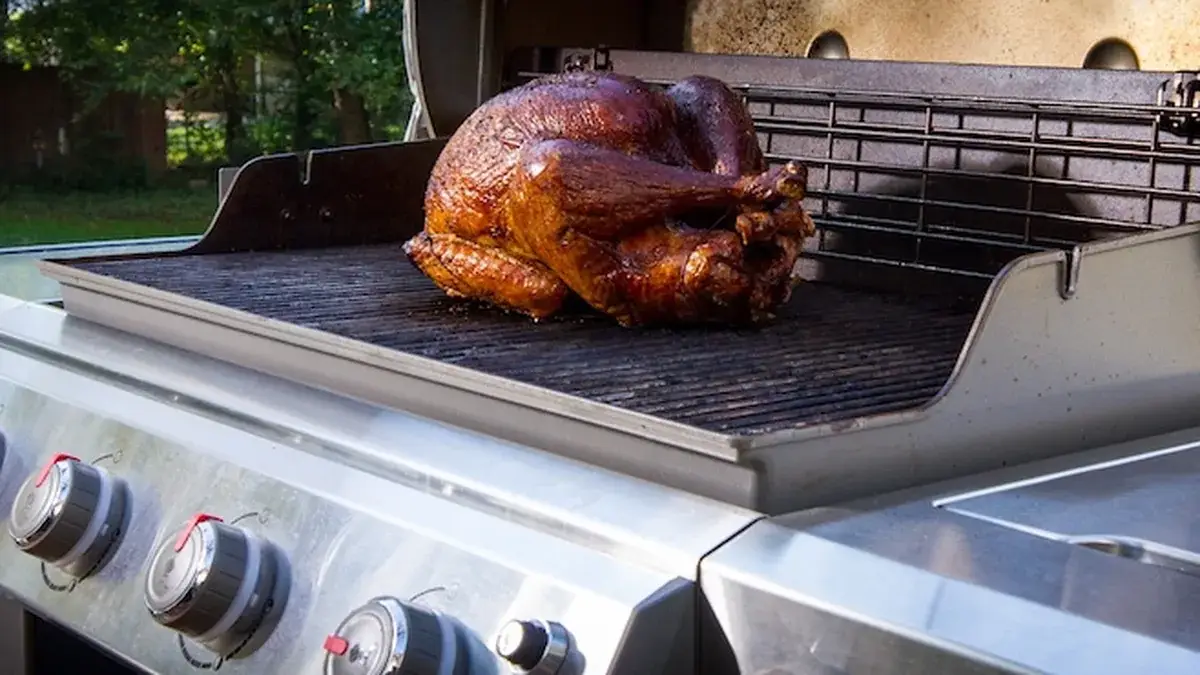
Photo: Weber
Smoked Turkey
Low heat and real wood smoke give you a mahogany bird with deep flavor. This works on a pellet grill or a stick-burning offset smoker.
- Brine the bird, about 1 hour per pound, then pat it dry. For crispier skin, let it rest uncovered in the fridge for a while after the brine.
- Fire up the smoker and hold it at about 275°F. Fruitwood or a mild hardwood is a good match for poultry. Never use softwoods like pine.
- Season the outside with your favorite poultry rub and set the bird on the grate.
- Smoke until the breast and thighs both read 165°F.
- In the last 20 minutes or so, brush the skin with melted butter for a deep golden color.
- Pull it, let it rest about 30 minutes uncovered, then carve.
Temperature: about 275°F smoker. Rough time: plan on about 20 minutes per pound at 275°F, and longer at lower temperatures (USDA’s smoker guide runs 20 to 30 minutes per pound at 225 to 300°F). Cook to 165°F, not to the clock.
Source: Yoder Smokers, "Brined and Smoked Turkey" (https://www.yodersmokers.com/2023/11/brined-and-smoked-turkey/)
Grilled Turkey (Gas, Indirect Heat)
Your gas grill can roast a turkey just like an oven, with a little smoke as a bonus. The secret is indirect heat: burners on at the sides, the bird over the burner that’s off.
- Set up for indirect heat. Light the outside burners, leave the middle off, and preheat with the lid closed for 10 to 15 minutes. Aim for about 325 to 350°F.
- Want smoke? Put soaked wood chips (cherry or hickory are nice) in a smoker box over a lit burner.
- Set a drip pan with a little water under the cooking grate in the unlit zone. Use less water if you want drippings for gravy.
- Set the turkey in the middle, over the drip pan, and close the lid. If the skin is browning fast, lay a piece of cheesecloth or a loose foil tent over the breast for the first couple of hours.
- Keep the lid closed. Check the temperature about halfway through and again at about three-quarters of the way.
- Done when the thickest part of the breast and the innermost thigh read 165°F. Rest before carving.
Temperature: 325 to 350°F, indirect. Rough time: about 15 minutes per pound at 350°F, a bit longer if your grill runs cooler (USDA lists 15 to 18 minutes per pound for an 8 to 16 lb bird on a covered grill). Cold, windy days add time, so start early and make sure you have a full propane tank plus a spare.
Source: Weber, "How to Cook a Turkey on a Gas Grill" (https://amer.weber.com/en-us/blogs/burning-questions/how-to-cook-a-turkey-on-a-gas-grill)
Charcoal Grilled Turkey
A kettle grill and a couple of bags of charcoal make a beautiful bird. You build two fires, one on each side, and roast the turkey in the middle.
- Light your charcoal in a chimney starter. When it’s ready, bank it into two piles on opposite sides of the charcoal grate.
- Set a foil drip pan between the two piles. Use two pans stacked together for extra strength if you’re also roasting in a pan.
- Put the cooking grate on and set the turkey (on a roasting rack, if you like) right over the drip pan, in the middle. Close the lid and keep the vents open.
- Add a handful of fresh briquettes to each side about once an hour, roughly 5 to 8 per side, to keep the heat steady. Toss a chunk of apple or cherry wood on the coals for a little smoke.
- Cook until the breast and the innermost thigh hit 165°F. Let it rest 20 to 30 minutes before carving.
Temperature: about 325 to 350°F, indirect. Rough time: about 15 minutes per pound at 350°F, a bit longer if the fire runs cooler (USDA lists 15 to 18 minutes per pound for an 8 to 16 lb bird on a covered grill). Have extra charcoal on hand; a long cook can go through more than one bag.
Source: Weber, "Roasting a Whole Turkey on the Grill" (https://amer.weber.com/en-us/blogs/grill-skills/roasting-a-whole-turkey-on-the-grill)
Spatchcocked Turkey
Spatchcocking means cutting out the backbone and pressing the bird flat. It cooks much faster and more evenly, and every bit of skin gets crispy. It works on gas, charcoal or pellet.
- With sturdy kitchen shears, cut along both sides of the backbone and remove it. Save it for gravy stock.
- Flip the bird and press hard on the breastbone until it lies flat.
- Dry brine it: about ½ teaspoon of kosher salt per pound, then leave it uncovered in the fridge overnight.
- Set up the grill for indirect medium heat, about 375 to 400°F.
- Lay the turkey skin side up in the indirect zone and close the lid. After the first 30 minutes, brush with melted butter every 15 minutes or so.
- Cook until the thickest part of the breast reads 165°F and the thighs are at least that. Rest about 30 minutes.
Temperature: 375 to 400°F, indirect. Rough time: about 1¼ to 1½ hours for a 12 to 14 lb bird.
Source: Weber, "Spatchcock Turkey" (https://amer.weber.com/en-us/blogs/recipes/spatchcock-turkey)
Rotisserie Turkey
A turkey turning slowly over the fire bastes itself as it goes. You’ll need a rotisserie kit that fits your grill.
- Salt the bird and let it dry, uncovered, in the fridge for 1 to 3 days.
- Truss it tight with butcher’s twine so the wings and legs don’t flop. Slide it onto the spit, centered, and lock the forks in.
- Set up for indirect medium heat, about 350 to 400°F. On charcoal, put the coals off to the side with a foil pan under the bird.
- Start the motor, close the lid, and let it spin. On charcoal, add fresh briquettes about once an hour.
- Cook until the breast reads 165°F. Remove the spit carefully (it’s hot), rest the bird, then carve.
Temperature: 350 to 400°F, indirect. Rough time: about 2½ to 3 hours for a 16 lb bird. Check your rotisserie’s weight limit before you buy the turkey.
Source: Weber, "Rotisserie Turkey" (https://amer.weber.com/en-us/blogs/recipes/rotisserie-turkey)
Pellet Grill Turkey (Yoder Style)
A pellet grill holds a steady temperature on its own, which makes it a relaxed way to cook the big bird. Come see the Yoder YS640S in store.
- Spatchcock a 12 lb turkey (see above) and brine it about 1 hour per pound.
- Pat it dry and let the skin air-dry in the fridge for 2 to 3 hours, or overnight.
- If you like, inject melted butter seasoned with garlic and herbs into the breast and thighs. Rub the outside with your favorite poultry seasoning.
- Set the pellet grill to 275°F. Apple, cherry or pecan pellets are good with turkey.
- Lay the bird on the grate and baste with butter about once an hour.
- Pull it when the breast and thighs read 165°F. Tent loosely and rest about 20 minutes.
Temperature: 275°F. Rough time: about 10 minutes per pound for a spatchcocked bird (around 2 hours for 12 lb). A whole, unspatchcocked bird will take longer.
Source: Yoder Smokers, "Classic Holiday Thanksgiving Turkey" (https://www.yodersmokers.com/2023/11/classic-holiday-thanksgiving-turkey/)
Turkey Cook Times
Estimates only. Always cook to temperature: 165°F in the thickest part of the breast, the innermost thigh and the innermost wing.
Oven or grill at 325°F, unstuffed (USDA)
| Turkey size | Rough time |
|---|---|
| 8 to 12 lb | 2¾ to 3 hours |
| 12 to 14 lb | 3 to 3¾ hours |
| 14 to 18 lb | 3¾ to 4¼ hours |
| 18 to 20 lb | 4¼ to 4½ hours |
| 20 to 24 lb | 4½ to 5 hours |
Outdoor methods
| Method | Heat | Best bird size | Rough time |
|---|---|---|---|
| Smoked | 225 to 300°F | 8 to 12 lb | 20 to 30 min per lb (USDA); about 20 min per lb at 275°F |
| Grilled, gas or charcoal, indirect | 325 to 350°F | 8 to 16 lb | 15 to 18 min per lb |
| Spatchcocked | 375 to 400°F | 12 to 14 lb | about 1¼ to 1½ hours total |
| Rotisserie | 350 to 400°F | up to your kit's weight limit | about 2½ to 3 hours for 16 lb |
| Pellet, spatchcocked | 275°F | about 12 lb | about 10 min per lb |
Weather, wind, your grill and how often you lift the lid all change the time. Start early. A rested turkey holds its heat for a good while, so finishing a little ahead is better than running late.
Doneness, Resting and Carving
Is it done?
Use a food thermometer and check three places: the thickest part of the breast, the innermost part of the thigh, and the innermost part of the wing. Every spot needs to read at least 165°F. Don’t touch the bone with the probe, and don’t trust the pop-up timer or the color of the juices. A leave-in probe thermometer lets you watch without lifting the lid.
Let it rest
Move the bird to a cutting board or platter and let it rest at least 20 minutes, up to 30 or so for a big bird. Tent it loosely with foil if your kitchen is cold. The juices settle back into the meat and carving gets easier.
Carving, the simple way
- Pull the leg and thigh away from the body and cut through the joint. Separate drumstick and thigh at the knee.
- Cut the wings off at the shoulder joint.
- Run your knife down one side of the breastbone and along the ribs to lift each breast off in one piece.
- Slice the breasts across the grain, about ½ inch thick.
- Get leftovers in the fridge within 2 hours, and enjoy them within 3 to 4 days.
Sides From the Grill and Smoker
The turkey’s already outside. Put the rest of the grill to work.
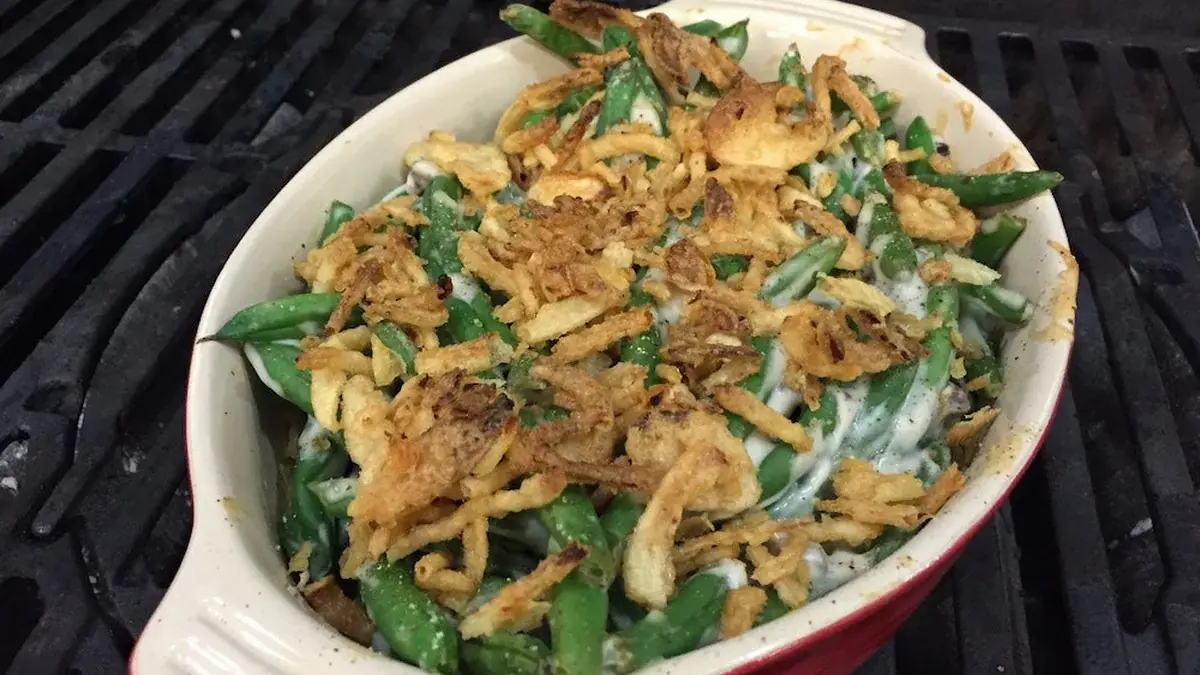
Photo: Weber
- Smoked mac and cheese: a pan of mac goes right on the smoker at about 225 to 250°F for a couple of hours.
- Smoked sweet potatoes: smoke them whole until soft, then split and top with butter, maple and pecans, or go savory with cheddar and green onion.
- Grilled green beans: char them on the grill, then fold them into your family’s green bean casserole.
- Grilled Brussels sprouts: halve them, toss in oil and salt, and grill in a basket until the edges are crispy.
- Hasselback potatoes: thin cuts almost all the way through, butter in every slice, roasted over indirect heat.
- Grilled asparagus: line the spears up crosswise on the grate so they don’t fall through.
- Cider-glazed root vegetables: carrots, parsnips and squash roasted in a pan with a little apple cider.
- Grill-baked stuffing: bake it in its own foil pan next to the bird so it picks up a little smoke.
Tips for side dishes outside:
- Use the indirect zone and a sturdy pan. A cast iron skillet or a heavy foil pan works great.
- A grill basket keeps small vegetables from slipping through the grates.
- Time it so sides finish while the turkey rests. That’s your 20 to 30 minute window.
- Smoke adds up fast in mild foods. A little goes a long way on sides.
Side ideas inspired by Weber, "Top 10 Grilled Thanksgiving Sides" (https://amer.weber.com/en-us/blogs/grilling-inspiration/top-10-grilled-thanksgiving-sides) and Yoder Smokers, "Smoked Mac N' Cheese" (https://www.yodersmokers.com/2019/11/smoked-mac-n-cheese/) and "Smoked Twice-Baked Sweet Potatoes" (https://www.yodersmokers.com/2025/11/smoked-twice-baked-sweet-potatoes/).
Cook Like a Champion with the Smoking Pastor
Jordan Davis, the Smoking Pastor, is White’s Ace’s BBQ Ambassador and the 2026 World Barbecue Champion, taking 1st Place in Barbecue at the World Food Championships. He’s a pastor and pitmaster right here in Carmel, and he likes to say barbecue is a love language. Jordan shares tips and the gear he trusts with our customers, so if you want to know what he reaches for, start with Jordan’s Favorites.
Watch for a cooking event with Jordan this November.
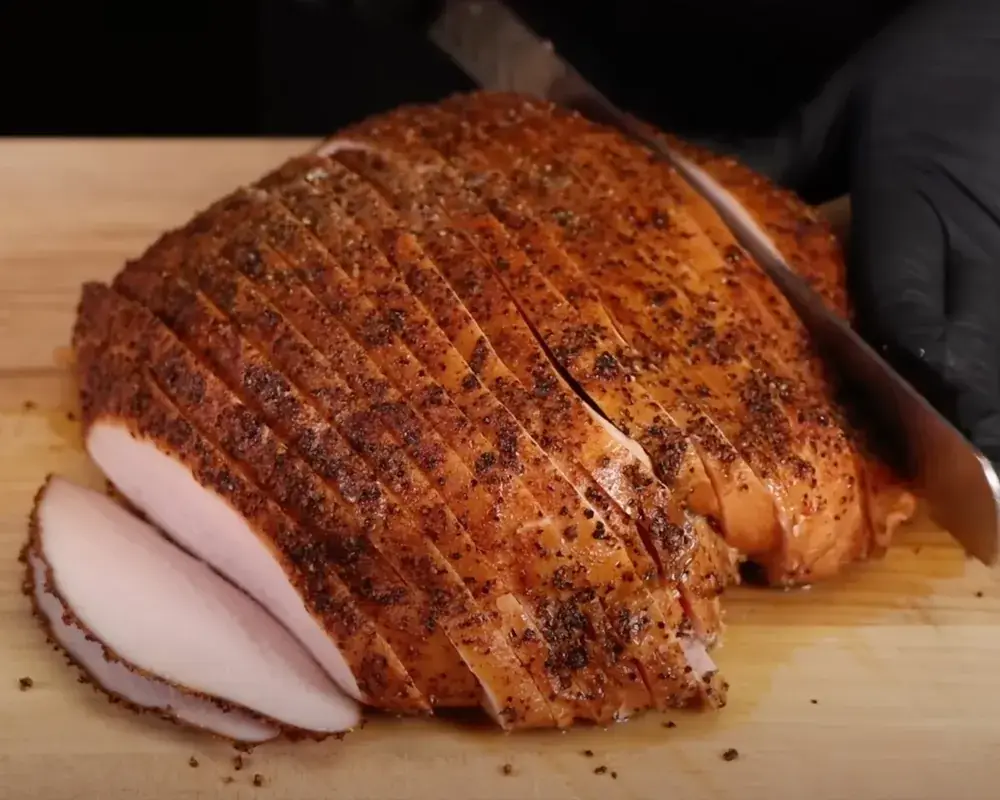
Photo: Yoder Smokers
Gear We Can Help With
Here’s what we had on the shelf at our Carmel store when we put this page together. Stock moves fast in November, so give us a call or stop in before you head over. If something’s sold out, we’ll check Geist and Fishers or order it for you.
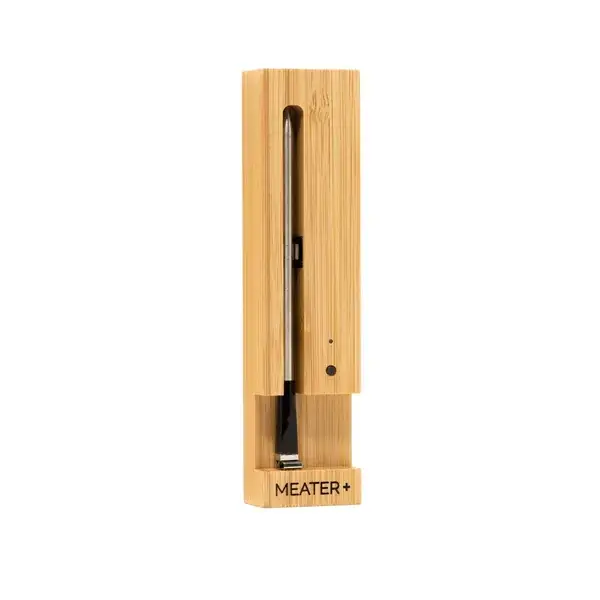
MEATER Plus Wireless Meat Thermometer
Leave the probe in the bird and check it from your phone. Up to 165 ft wireless range.
Ace Item # 8108733
Shop Now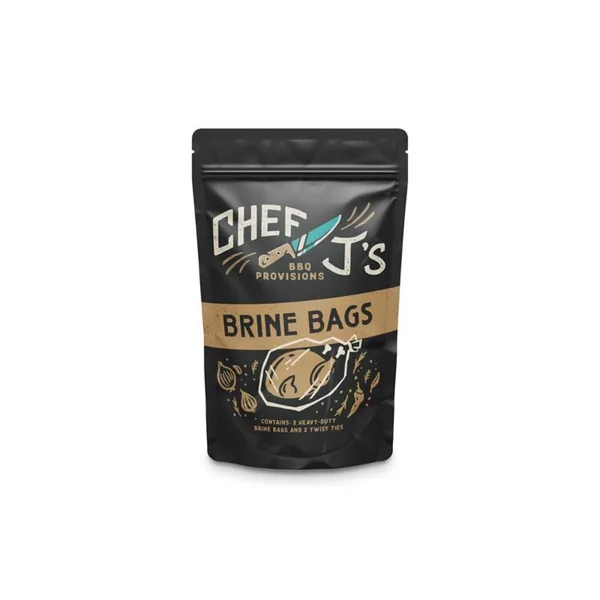
Chef J's BBQ Provisions Brine Bags, 3 gal
Food-safe bags big enough for a holiday bird. 2 per package.
Ace Item # 8017718
Shop Now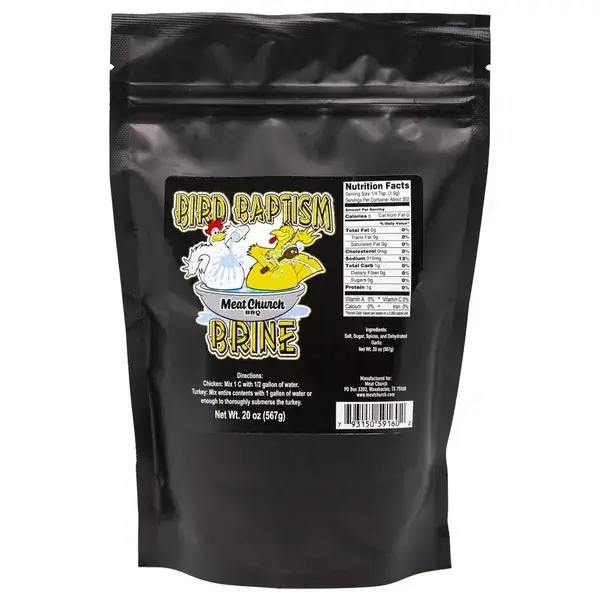
Meat Church Bird Baptism Brine, 20 oz
Ready-made poultry brine mix. Brine about 1 hour per pound.
Ace Item # 8060822
Shop Now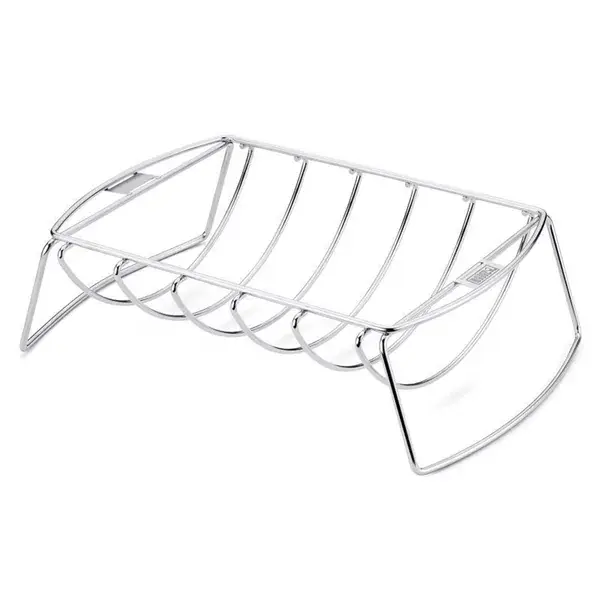
Weber Steel Roasting Rack
Lifts the turkey so heat moves all around it. 17.1 x 10.5 in., dishwasher safe.
Ace Item # 8321507
Shop Now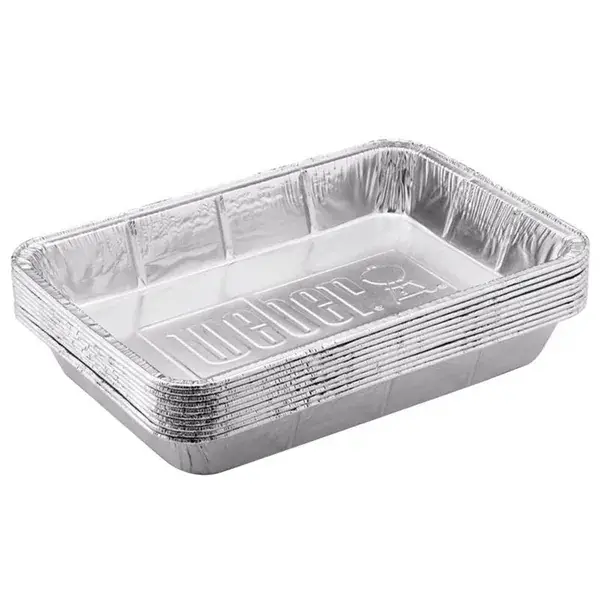
Weber Large Aluminum Drip Pans, 10 pk
Catch the drippings and save them for gravy. 13.1 x 9.1 in.
Ace Item # 8211013
Shop Now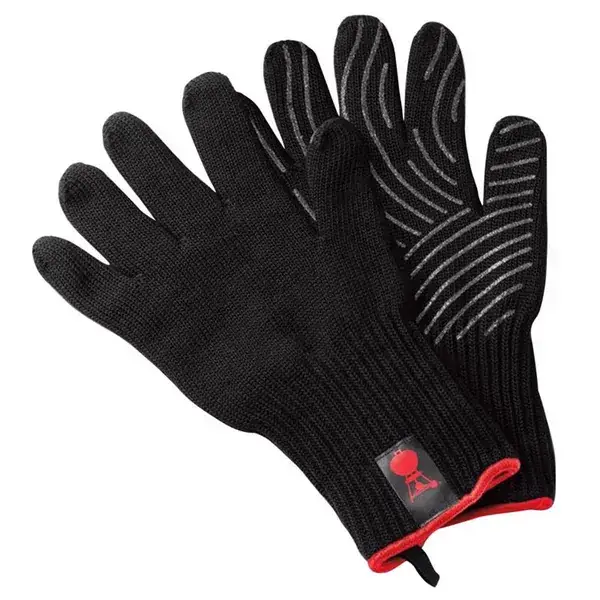
Weber Premium Fabric Grilling Glove
Silicone grip for hot grates, racks and the bird, heat resistant to 482°F. Limited stock, so call ahead.
Ace Item # 8531758
Shop Now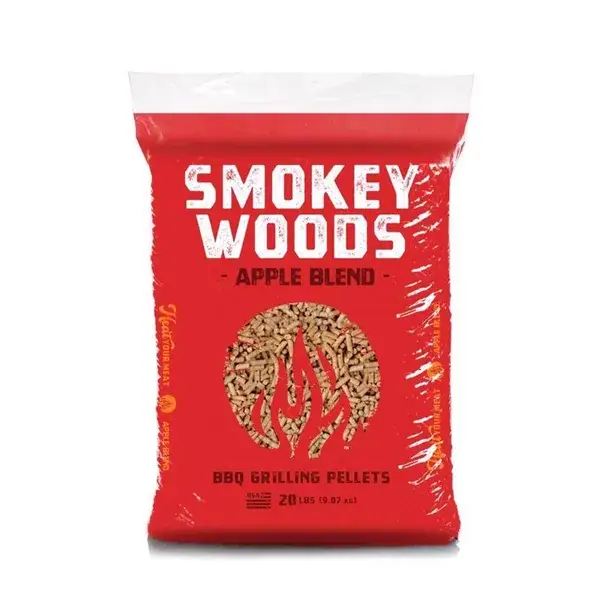
Smokey Woods Apple Hardwood Pellets, 20 lb
Light, sweet smoke that is a natural with turkey.
Ace Item # 8102459
Shop Now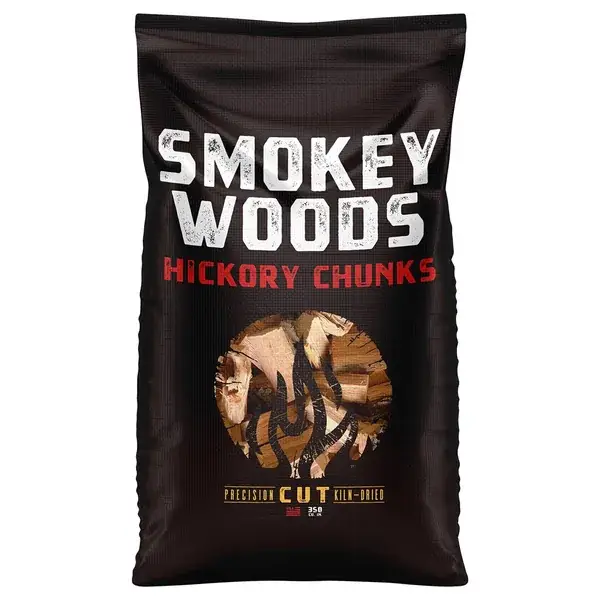
Smokey Woods Hickory Smoking Chunks, 350 cu in
Kiln-dried hickory chunks for smoking the bird on a charcoal grill, smoker or ceramic grill.
Ace Item # 8087456
Shop Now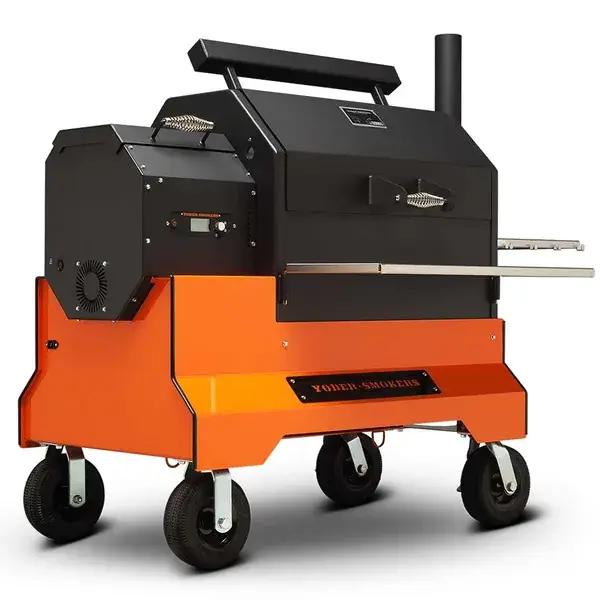
Yoder Smokers YS640S Pellet Grill
Pellet grill on a heavy-duty 10-gauge steel competition cart with a storage drawer. Come see it in store.
Model YS640S
In-Store OnlyProduct photos: acehardware.com and Yoder Smokers.
More Recipes and Sources
We wrote this page in our own words. Here’s where we did our homework, and where to go for more.
Food safety
- USDA FSIS, “Let’s Talk Turkey: A Consumer Guide to Safely Roasting a Turkey”: https://www.fsis.usda.gov/food-safety/safe-food-handling-and-preparation/poultry/lets-talk-turkey-roasting
- USDA FSIS, “Turkey: Alternate Routes to the Table”: https://www.fsis.usda.gov/food-safety/safe-food-handling-and-preparation/poultry/turkey-alternate-routes-table
- USDA FSIS, “Your Safe Thanksgiving Guide”: https://www.fsis.usda.gov/food-safety/safe-food-handling-and-preparation/poultry/your-safe-thanksgiving-guide
- USDA FSIS, “Poultry: Basting, Brining, and Marinating”: https://www.fsis.usda.gov/food-safety/safe-food-handling-and-preparation/poultry/poultry-basting-brining-and-marinating
- Questions on Thanksgiving Day? The USDA Meat and Poultry Hotline, 1-888-674-6854, is open Thanksgiving Day from 8 am to 2 pm Eastern.
Weber
- “How to Cook a Turkey on a Gas Grill”: https://amer.weber.com/en-us/blogs/burning-questions/how-to-cook-a-turkey-on-a-gas-grill
- “Roasting a Whole Turkey on the Grill”: https://amer.weber.com/en-us/blogs/grill-skills/roasting-a-whole-turkey-on-the-grill
- “Grilling the Perfect Thanksgiving Turkey: Setup, Prep, and Monitoring”: https://amer.weber.com/en-us/blogs/tips-techniques/grilling-the-perfect-thanksgiving-turkey-setup-prep-and-monitoring
- “Spatchcock Turkey”: https://amer.weber.com/en-us/blogs/recipes/spatchcock-turkey
- “Rotisserie Turkey”: https://amer.weber.com/en-us/blogs/recipes/rotisserie-turkey
- “Top 10 Grilled Thanksgiving Sides”: https://amer.weber.com/en-us/blogs/grilling-inspiration/top-10-grilled-thanksgiving-sides
Yoder Smokers
- “Brined and Smoked Turkey”: https://www.yodersmokers.com/2023/11/brined-and-smoked-turkey/
- “Classic Holiday Thanksgiving Turkey”: https://www.yodersmokers.com/2023/11/classic-holiday-thanksgiving-turkey/
- “Texas-Style Smoked Turkey”: https://www.yodersmokers.com/2023/11/texas-style-smoked-turkey/
- “Smoked Mac N’ Cheese”: https://www.yodersmokers.com/2019/11/smoked-mac-n-cheese/
- “Smoked Twice-Baked Sweet Potatoes”: https://www.yodersmokers.com/2025/11/smoked-twice-baked-sweet-potatoes/
- “Loaded Smoked Sweet Potatoes”: https://www.yodersmokers.com/2025/11/loaded-smoked-sweet-potatoes/
The Smoking Pastor
- Meet Jordan and see his favorite gear: /smoking-pastor/